

TNT Sports case study
Play one sport. Watch many sports.
A TNT Sports FA Cup clubhouse-screen campaign delivered 75% recall among recent club visitors and revealed a bigger planning insight: the sport people play does not define the sports they watch.
Client
TNT SportsCampaign
FA Cup tune-inClub environments
Football, rugby, cricket and bowlsResearch
92 post-campaign survey responses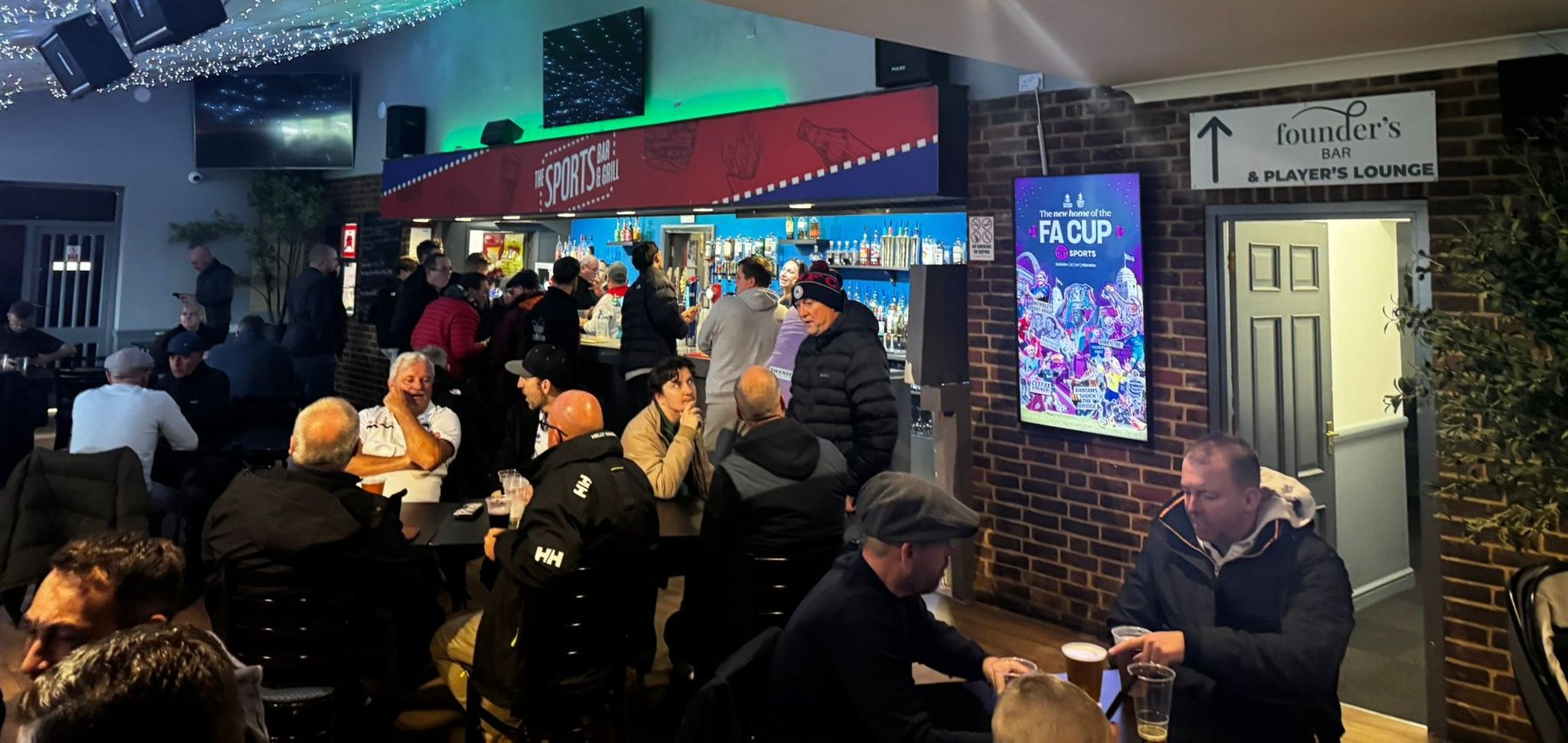
Headline evidence
Strong recall, heavy sports viewing and a clear multi-sport signal.
The campaign result matters, but the audience behaviour behind it is the more useful planning lesson.
The campaign
Put sports content where sport is already part of the conversation.
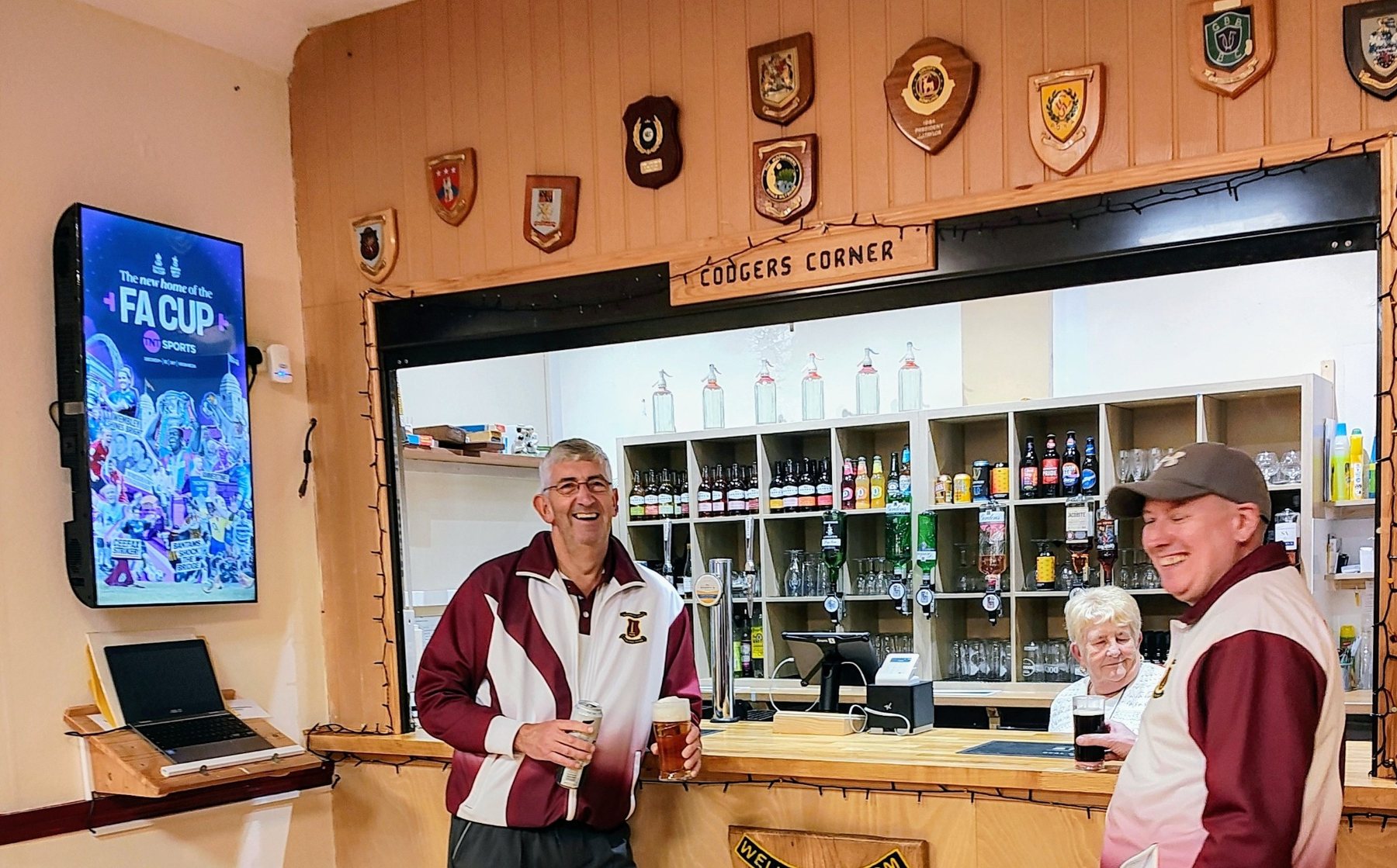
TNT Sports FA Cup creative ran on Grassroot Media portrait screens inside football, rugby, cricket and bowls clubhouses. The setting gave the campaign repeated visibility in social spaces where members were already playing, watching and talking about sport.
The post-campaign survey then tested more than simple ad recall. It asked what respondents played, what they watched, how much sport they consumed, which platforms they used and how they felt about TNT Sports supporting the club screen.
53 of 71recent club visitors remembered the TNT Sports FA Cup creative.
That is 74.6%, rounded to the 75% headline result used in this case study.
The audience insight
People may play one sport. They do not watch only one sport.
The raw survey responses show substantial crossover between the sports people take part in and the sports they choose to watch. That makes a grassroots club audience much broader than the badge on the clubhouse door.
Football participants
100%watched at least 1 sport other than football
- 70% watched rugby
- 45% watched cricket
Rugby participants
89%watched at least 1 sport other than rugby
- 74% watched football
- 44% watched cricket
Cricket participants
100%watched at least 1 sport other than cricket
- 89% watched football
- 58% watched rugby
Bowls participants
100%watched at least 1 sport other than bowls
- 71% watched football
- 67% watched rugby
- 49% watched cricket
Participants could select more than 1 sport they played and more than 1 sport they watched, so the sport-participation groups overlap.
One campaign, different sporting environments
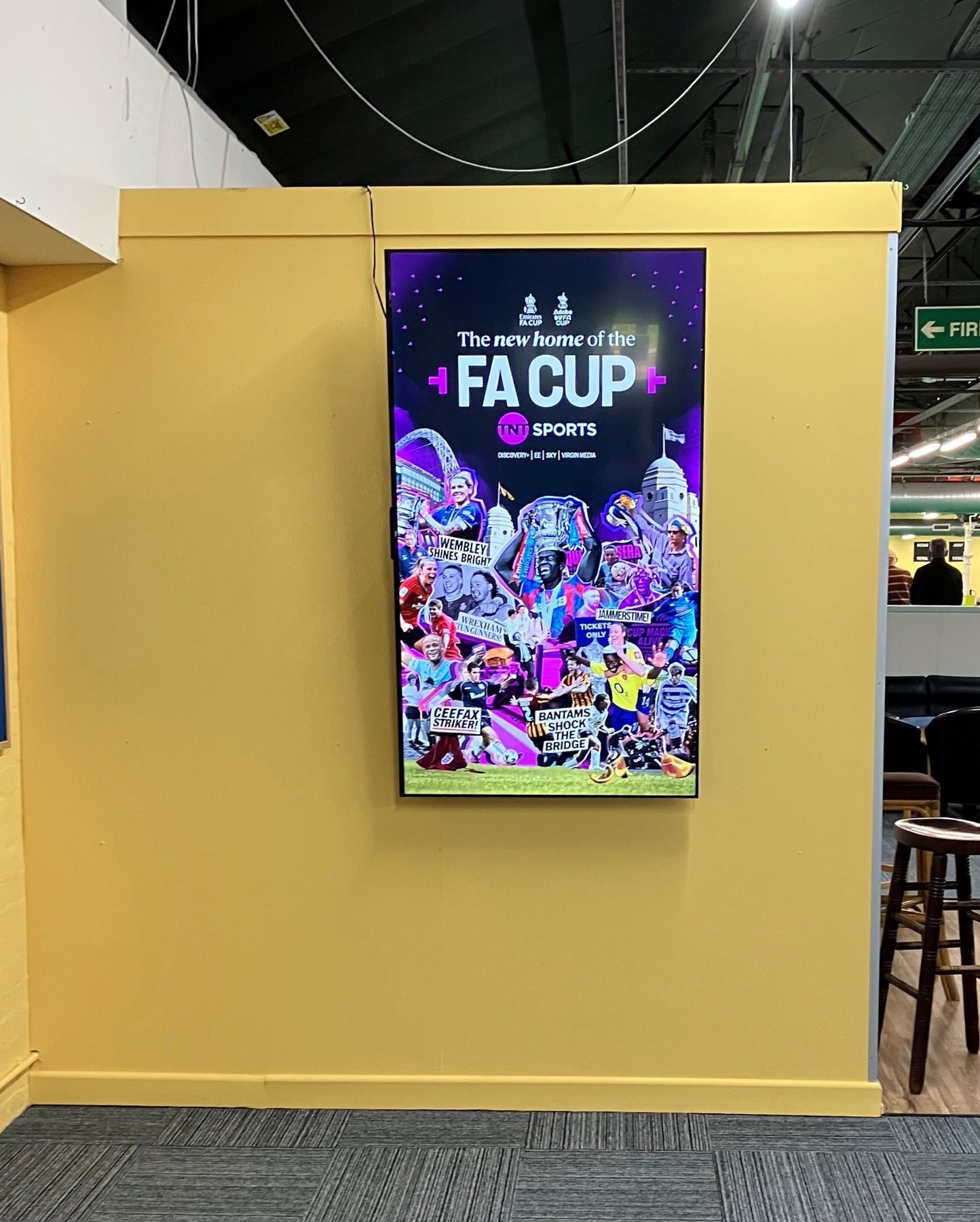
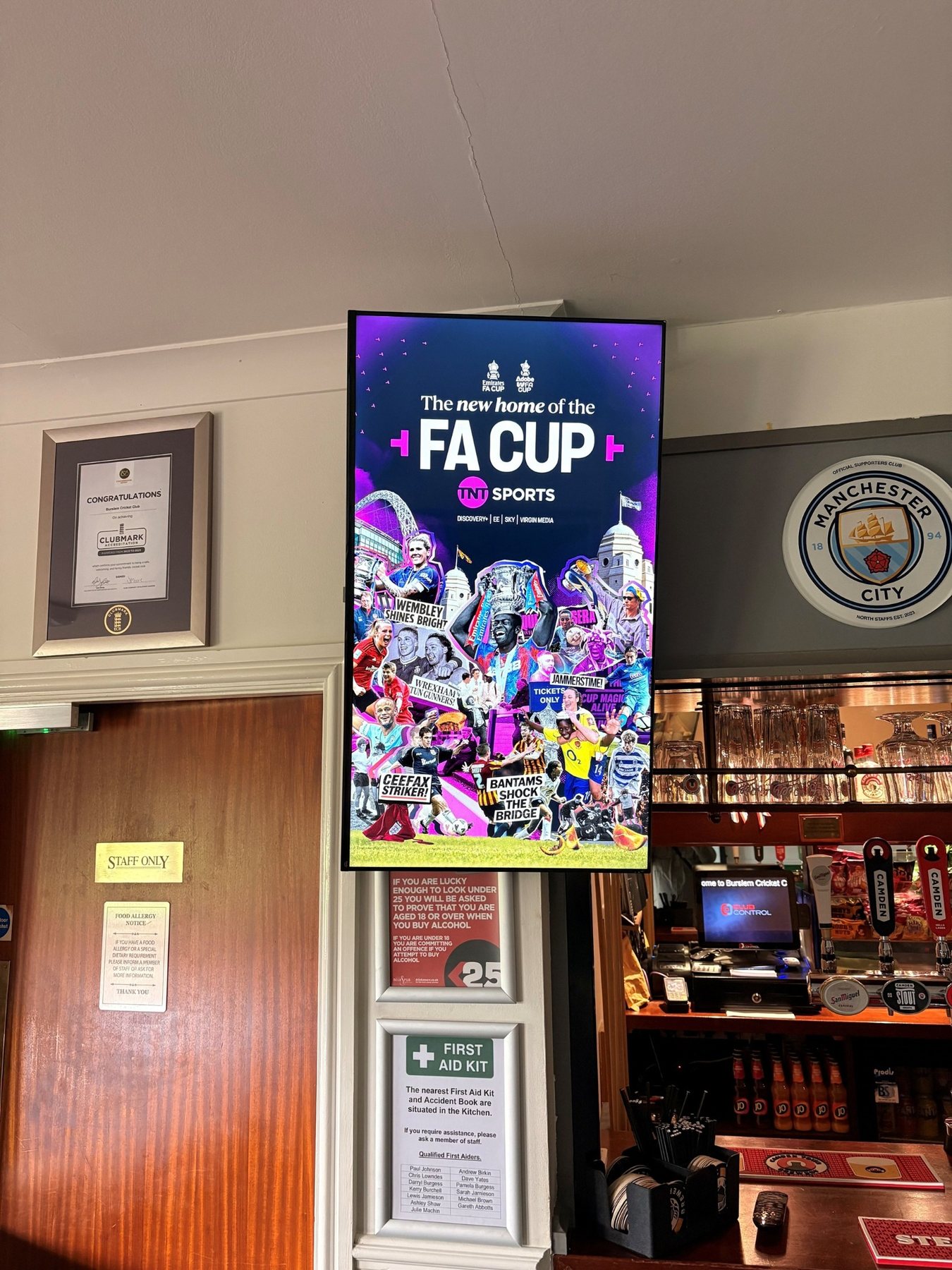
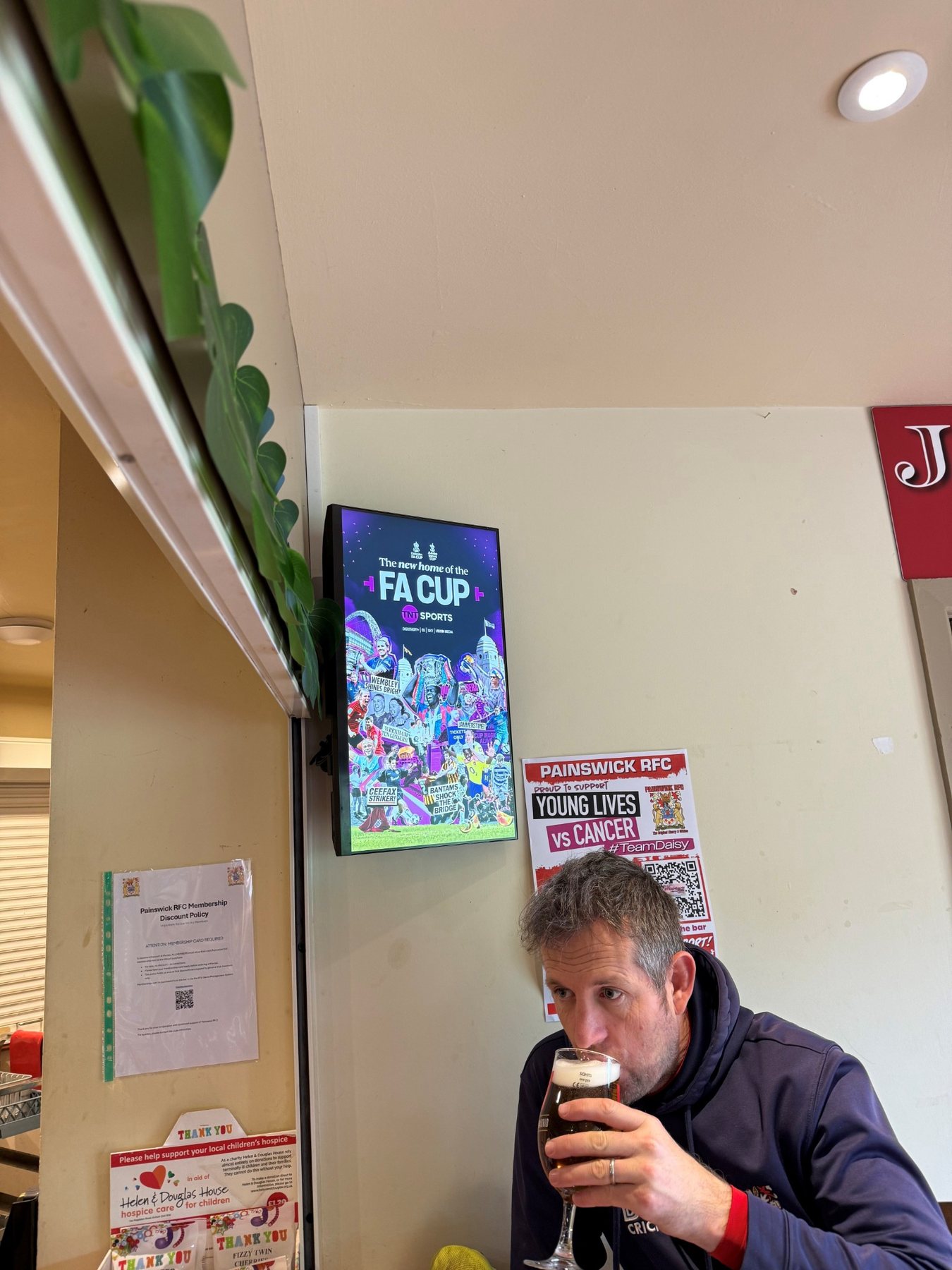
The pictures make the crossover argument tangible.
The same TNT Sports FA Cup message could reach sports people in different types of club, because the audience does not stop following other sports when it walks through the clubhouse door.
The media-planning implication
A football campaign does not have to live only in football clubs.
A rugby player can be a football viewer. A cricketer can be a football viewer. A bowls player can be a football or rugby viewer. The research suggests that the sport somebody participates in is a poor boundary for the sports content they consume.
For broadcasters, streamers, publishers and sports rights holders, that creates more flexibility. Campaigns can be planned around the audience, geography, available inventory, season and broadcast moment, rather than automatically putting football creative only into football clubs or rugby creative only into rugby clubs.
Why it matters
Think sports people, not single-sport silos.
Broader audience planning
Use participation as context, not as a hard limit. Club members can be valuable viewers of sports well beyond the sport they personally play.
More flexible network choices
Select clubs by demographic fit, geography, timing and inventory, then use the sporting environment to make the creative feel naturally relevant.
Useful for multi-rights portfolios
Broadcasters and streaming services carrying football, rugby, cricket, motorsport, boxing and other sports can speak to one audience that already crosses those interests.
The brand effect
The media also supported the place where the audience was seeing it.
Grassroot Media screens are supplied to clubs through an advertising-funded model. In the survey, 58 of 89 people answering the brand-perception question said knowing TNT Sports helped fund their club's free digital noticeboard made them feel better about the brand.
A further 17 said they already liked TNT Sports. The result suggests that relevant advertising can do more than gain attention when the audience can also see a direct benefit to its club.
65%positive brand uplift
58 of 89 respondents answering the question said the club support made them feel better about TNT Sports.
Why the clubhouse worked
Relevant content, repeated exposure and a social sports setting.
Context
Sport is already being played, watched and discussed. TNT Sports appears in an environment where the subject is naturally relevant.
Repeat exposure
Members return to their clubs regularly, giving screen creative multiple opportunities to be noticed rather than relying on a single passing impression.
Conversation
Clubhouses are shared social spaces. Fixtures, results and live sport already create the conversations that sports-media campaigns want to join.
Research note
How to read the numbers.
This case study uses the supplied Grassroot Sports Player Survey raw responses. The file contains 92 responses. Three respondents did not answer the later campaign-impact questions, so those percentages use the 89 people who answered them. Recall is based only on the 71 respondents who said they had visited their club in the previous week.
The survey is first-party campaign research from Grassroot Media's club audience, not a nationally representative study of every UK grassroots sports participant. Percentages are therefore presented as findings from this survey sample.
Sports media and streaming
Play one sport. Watch many sports. Plan the audience accordingly.
Talk to Grassroot Media about using football, rugby, cricket and bowls clubs together to promote live sport, subscriptions, channels, documentaries and streaming launches.