

The Importance of Visual Authenticity in OOH
Imagine ordering a burger after seeing a mouth-watering photo online, only to be served something that looks completely different. That’s exactly what happened recently when a local restaurant here in north Essex used stock images to showcase their menu—only to face a social media backlash when customers found the reality didn’t match the picture.
Now, let’s bring this back to Out-of-Home (OOH) advertising. If visual authenticity is so crucial in food marketing, why is there so little scrutiny in OOH media presentations? Fake Out of Home (FOOH) became a hot topic last year when brands got called out for posting mock-ups of billboard campaigns that never actually ran. Yet, the same issue persists within the industry, with Photoshopped “proof of posting” images, doctored screen visuals, and heavily edited mock-ups used to sell ad space.
If brands are paying for visibility, why aren’t we showing them exactly what their campaigns will look like?
The Common Offenders in OOH
❌ Mock-ups passed off as real campaigns – Some media owners showcase advertising concepts that never actually appeared in the real world.
❌ Photoshopped proof-of-play images – Screens and billboards are digitally enhanced to look better than they do in reality.
❌ Lack of real-world evidence – Some brands invest thousands (or more) into OOH placements without receiving tangible proof of what the campaign looked like to real-world people – the audience they are buying.
Why This is a Problem for Advertisers
🔹 Misleading Expectations – Advertisers expect their campaigns to look as good as the mock-ups. When the reality is different, it creates disappointment and erodes trust, not just in that media owner, but all of us.
🔹 Erosion of Trust – When brands discover they’ve been misled about their ad placements, it creates scepticism not just towards one media owner, but towards OOH as a whole.
🔹 No Accountability – With some OOH providers, there is little to no accountability when it comes to proving that campaigns actually ran as promised.
Advertisers should be asking: Are we buying an actual campaign or just a mock-up?
How Grassroot Media Does It Differently
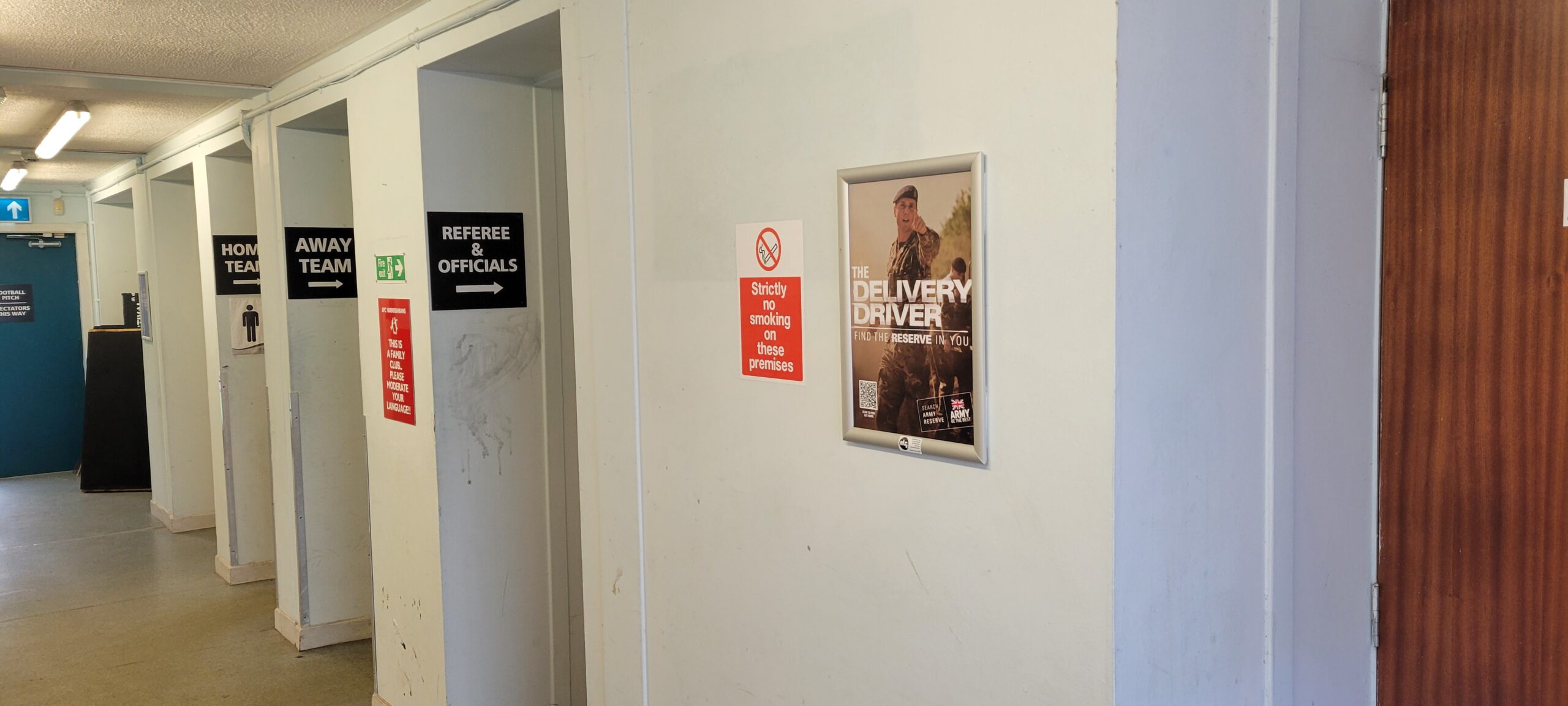
✅ 1,192 individual proof-of-posting images/videos for a single campaign – Every club, every poster, every screen.
✅ Zero Photoshop. Zero mock-ups. – We only showcase real campaigns in real venues. If a brand buys from us, they see exactly what their audience will see.
✅ Honest Representation – Whether it’s our posters in 1,100+ grassroots football, rugby, cricket, and bowls club changing rooms or digital screens in clubhouse bars, brands get full transparency on what they are paying for.
✅ Full Advertiser Visibility – We provide advertisers with real-world evidence of their campaign in action, ensuring total confidence in their OOH investment.
The Call for Greater Accountability in OOH
Brands deserve better. It’s time for the industry to adopt higher standards of transparency and proof of delivery. Here’s what advertisers should demand:
🔍 Real Proof of Posting & Delivery – Ensure every placement is photographed and timestamped.
🔍 Honest Campaign Representations – Ask your media owner: Is this a mock-up, or is it real?
🔍 Verifiable Data – Request detailed, evidence-backed reports that showcase exactly where and when ads appeared.
At Grassroot Media, we stand by our commitment to authenticity and trust in OOH advertising.
If you’re a brand looking for real, verifiable audience engagement, let’s have a chat.