


In July, WPP released the follow-up to their widely respected Out of Home Playbook, a major piece of research built on 1.2 billion OOH exposures and a deep look into what actually drives ROI in the out of home space. The results were clear: environment matters more than format, context shapes performance, and most importantly, when OOH is done right, it works incredibly well. But when it’s not, results vary wildly.
You can watch the full WPP Out of Home Playbook webinar here on YouTube.
At Grassroot Media, we’ve been quietly proving many of these insights through lived experience, long before they were measured and modelled. Here’s what WPP’s research means to us, and why we believe we’re sitting firmly on the right-hand side of that ROI bell curve.
1. Environment Drives ROI More Than Format
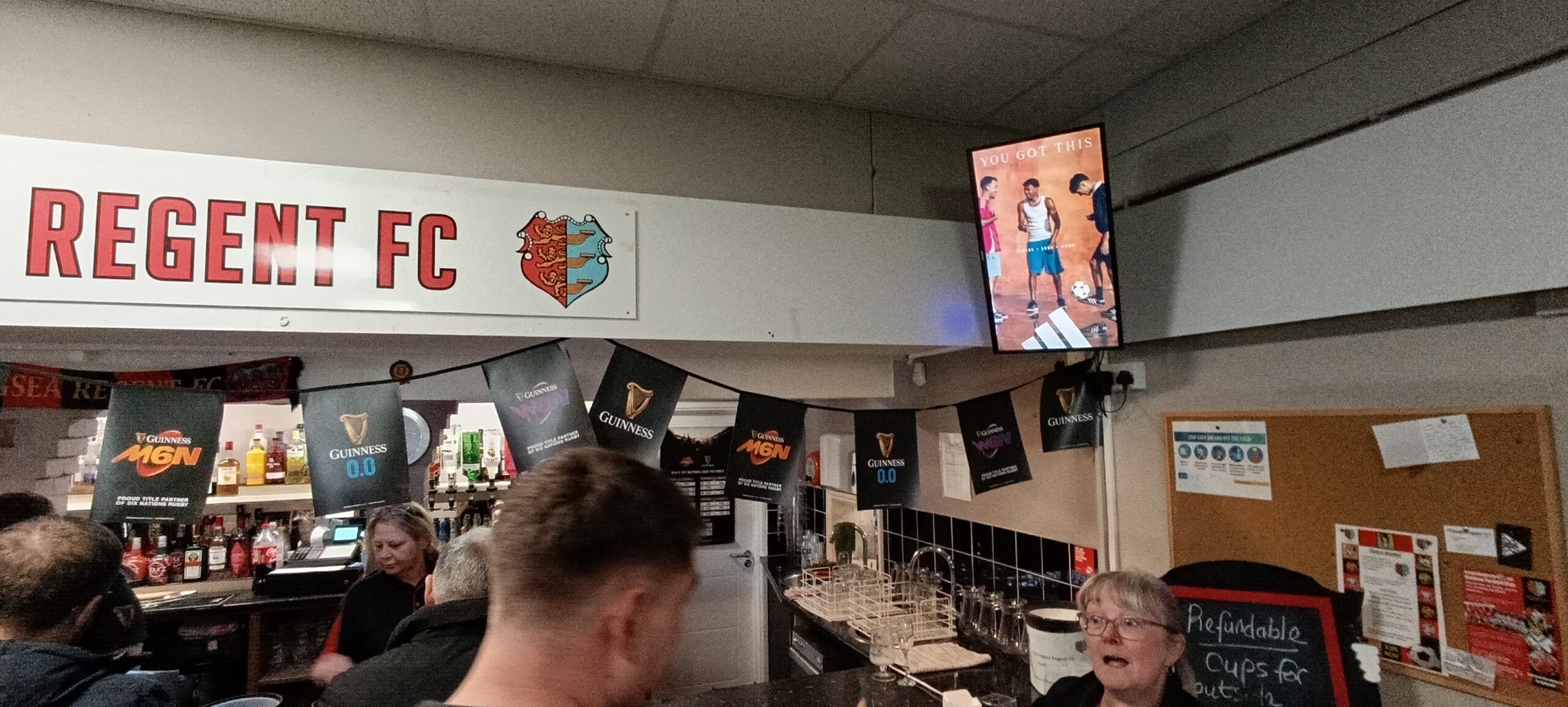
WPP’s headline finding? ROI is driven by where your ad appears, not just what it’s printed or displayed on. Whether it’s a 6-sheet, 48-sheet or digital screen, the biggest factor influencing contact time and effectiveness is the environment.
What they found:
- Rail stations, retail spaces and other high-dwell environments deliver longer engagement.
- Roadside and motorway formats, despite size, often produce short, forgettable exposures.
What we do: At Grassroot Media, we place ads in the high-dwell, high-engagement zones of sports clubs: clubhouse bars, locker rooms, changing areas. These are spaces where people stay, chat, and pay attention for up to an entire day.
In other words, we’re an environment-first high-dwell media owner by design.
2. The Average Is Misleading, Variability Is the Real Story
WPP’s ROI analysis showed out of home isn’t ineffective, but it’s inconsistent. Some campaigns perform brilliantly. Some don’t. Why? Because with over 553 million potential combinations of format, time, location and context, there’s a huge margin for error if you’re not making smart, relevant decisions.
What they said:
“Outdoor is not weak, it’s polarised. For some brands, it performs exceptionally well. For others, it underperforms.”
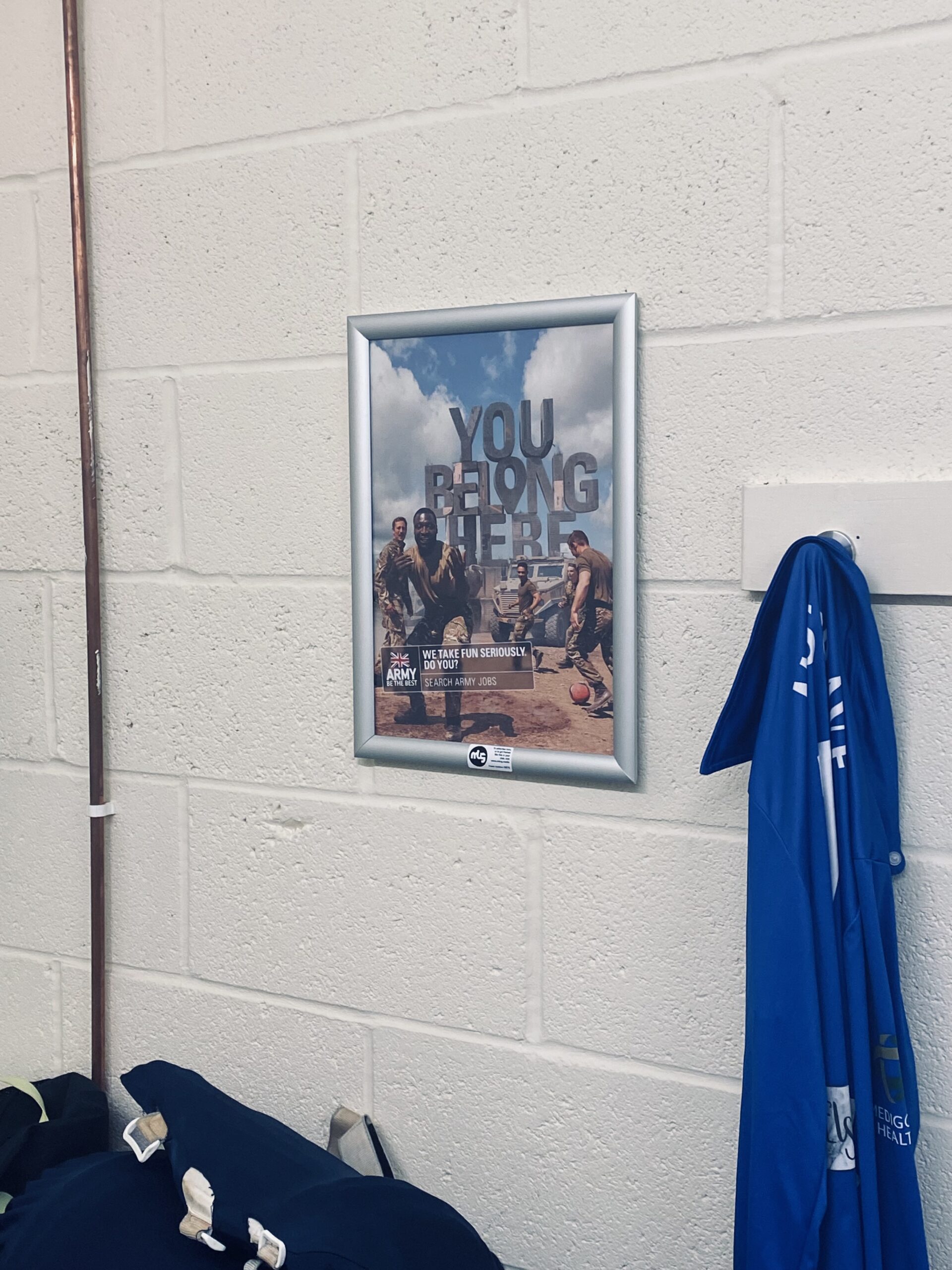
What we know: Our network is deliberately narrow but deep. We don’t sell every poster on every street. We offer clubhouse placements in organised grassroots sports communities. That makes it easier for us (and our advertisers) to get it right.
We don’t leave your ROI to chance. We build it in from the beginning.
3. Dwell Time Isn’t Fleeting; It’s Competitive with AV
One of the most surprising findings was just how long people spend with OOH when placed in the right environment. WPP found an average dwell time of 16 seconds for OOH formats. That’s not far off TV or cinema, and miles ahead of TikTok, Snap or pre-roll ads.
What that means: You have time to tell a story. To land a message. To build a memory.
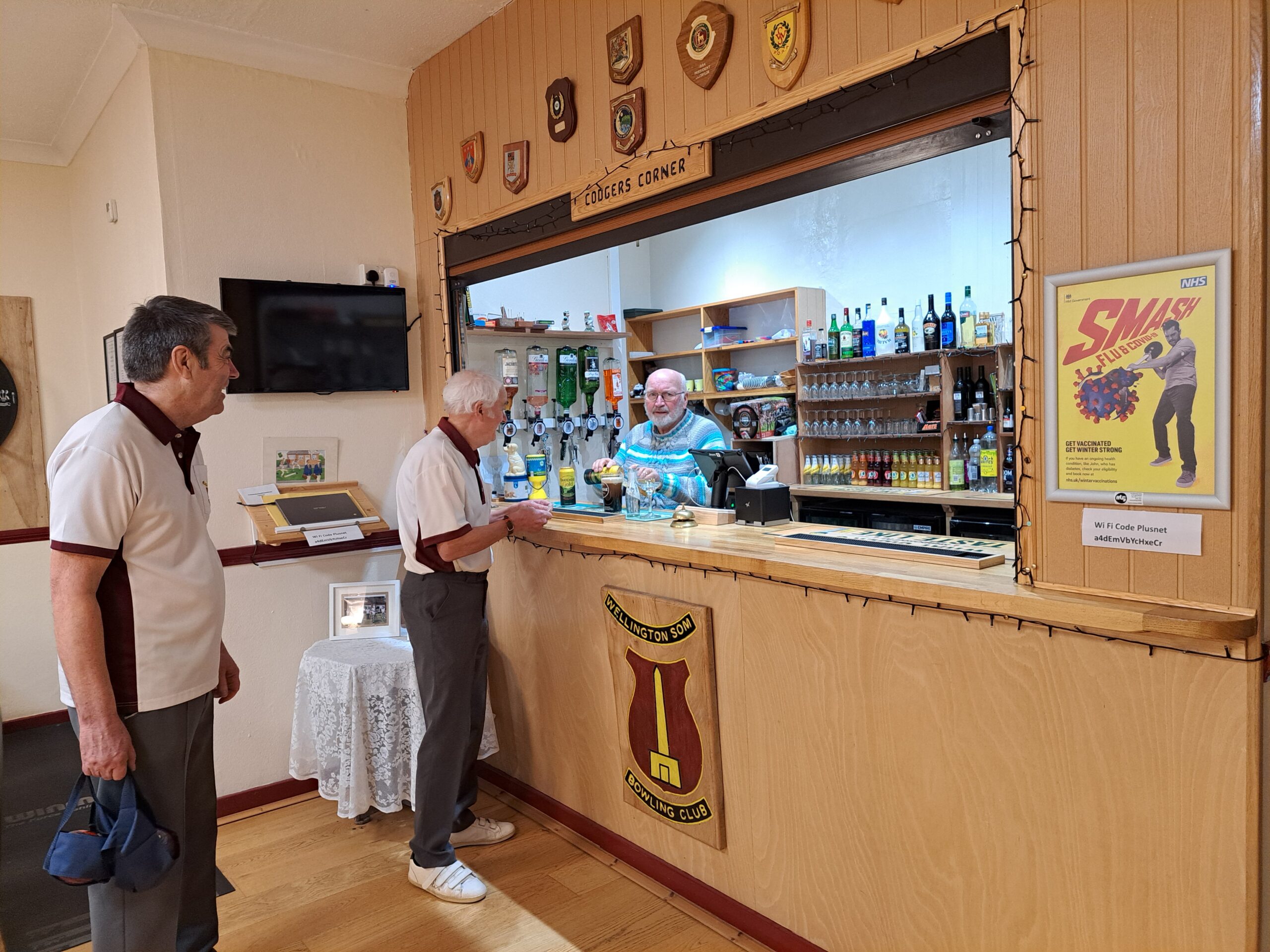
Where Grassroot Media fits: Our screens in club bars and posters in changing rooms often get minutes of visibility, not seconds. They’re not fighting for attention. They’re part of the space.
Our Army campaign, for example, wasn’t glanced at, it was absorbed, discussed, even photographed.
4. Context Builds Trust, Especially in Shared, Social Environments
WPP tested the same ad across different channels. When shown on Instagram, it was seen as less trustworthy and less premium. When shown on a poster, the same ad was considered more popular, more reliable and higher quality.
Why? Because OOH is public. It’s shared. It’s unskippable. And in trusted places (like your local club) it gains legitimacy.
What that means for advertisers: Running ads in a sports club is like being displayed in a shared feed and therefore gets spoken about, not dropped in someone’s private messages. If you’re building brand trust, this is where to do it.
5. Planning Should Be Based on Encounters, Not Channels
WPP encourages advertisers to move away from channel thinking (TV, OOH, digital) and toward encounter planning:
- What kind of attention do you need?
- For how long?
- In what setting?
- How often?
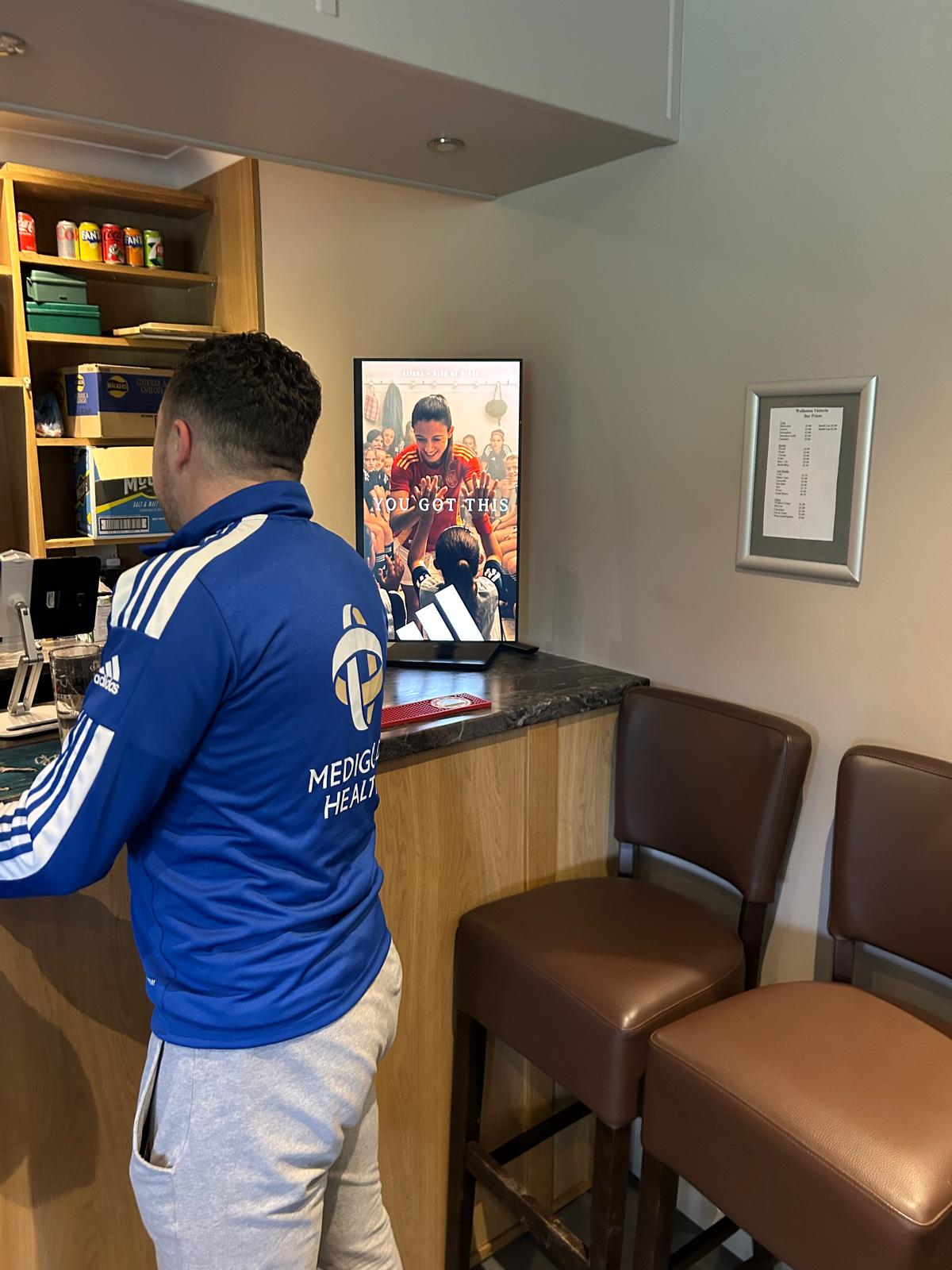
This mindset puts Grassroot Media in a sweet spot. We’re not roadside clutter. We’re high-relevance, high-frequency, long-dwell media, with flexible formats, trusted environments, and national reach across 350+ clubs.
Real Campaigns. Real ROI.
WPP’s insights aren’t just theory—we’ve already seen them play out.
- Octopus Energy achieved 86% brand recall through bowls club posters, by reaching older adults in social settings where they spend real time.
- Adidas reached 76% recall across rugby, cricket and football clubs by showing up in the places where grassroots sport lives.
When ads are placed in the right environment, with the right message, they don’t just get seen, they get remembered.
Final Thought: We’re Not Your Average OOH Network (And That’s the Point)
WPP’s research showed that OOH needs to be planned with care. Done right, it builds brands, drives action and outperforms other channels.
At Grassroot Media, we’re already aligned with the best practice principles WPP recommends:
- We prioritise environment over volume
- We focus on engagement over exposure
- We offer trust-building formats in real communities
If you want to explore how your brand can benefit from a smarter approach to out of home, one that delivers strong encounters in spaces where attention lives, we’d love to chat. You can book a call with Mat Court here:
You can watch the full WPP Out of Home Playbook webinar here.