
Defined communities
Choose sport, age profile, geography and club environment rather than relying only on broad demographic reach.

Behaviour change, public services and community information
Reach active adults, families, volunteers, younger men and older community members through trusted club environments where people spend time together and return regularly.
Best suited to public health, behaviour change, careers, participation, safety, consultation and community-service campaigns.
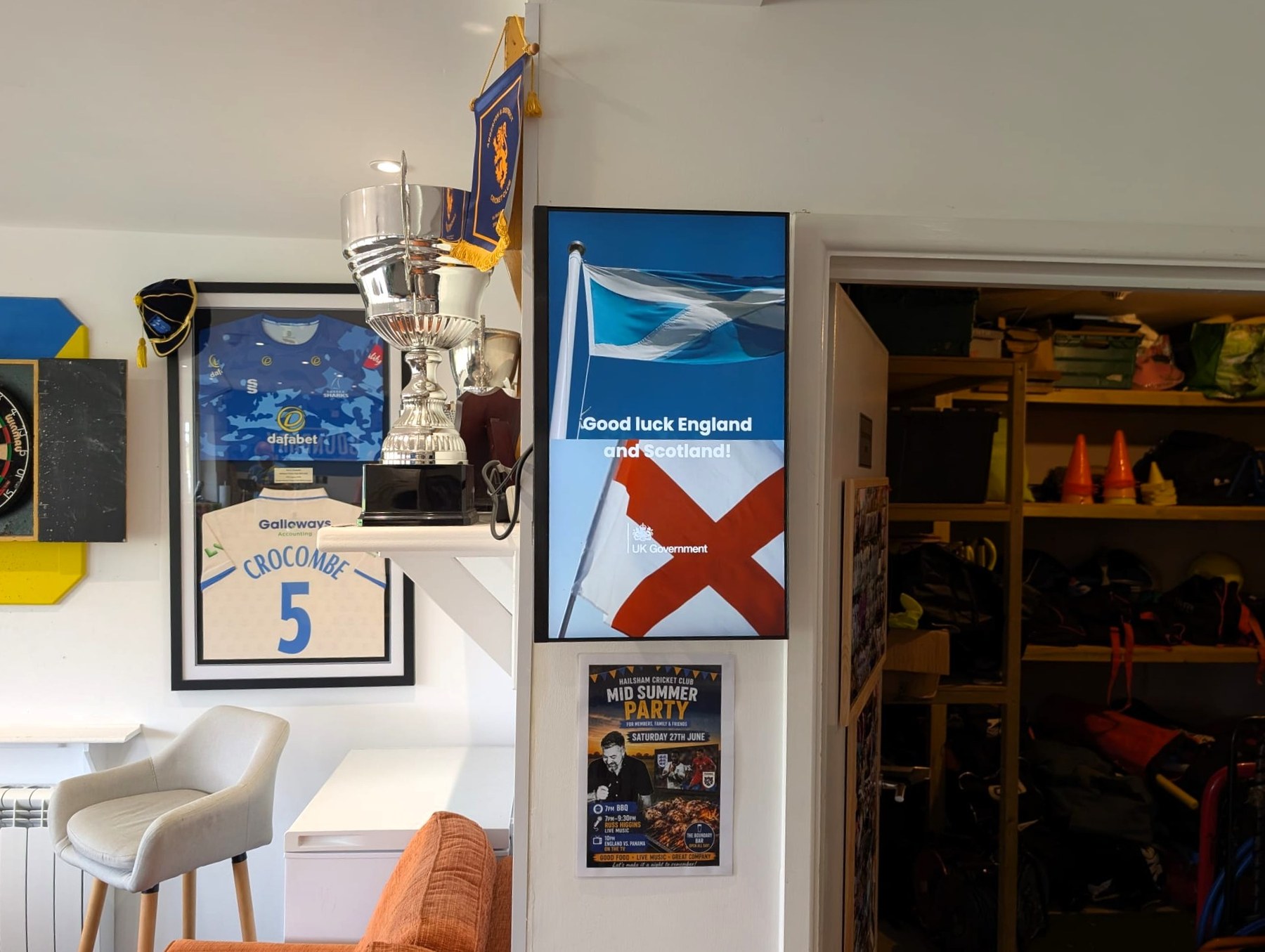
Why the category fits
Grassroots clubs bring together people through routine, belonging and shared activity. That can give relevant public information more time, visibility and social context than a passing exposure.
Choose sport, age profile, geography and club environment rather than relying only on broad demographic reach.
Members return through the week and season, allowing a message to build rather than appear once.
Where appropriate, clubs can help reinforce useful information through their own communications and activity.
Best audience routes
These are planning starting points, not mandatory packages. The final sport mix should follow the audience, geography, timing and campaign objective.
Useful routes to younger active men, teams, coaches and socially connected adult groups.
Broad family and community reach across junior, adult, volunteer and supporter audiences.
A direct route to older active adults, community volunteers and people with strong local networks.
Committee members and volunteers who can influence participation, local delivery and organisational decisions.
Recommended campaign roles
Posters, screens and club amplification work differently. A stronger plan gives each element a clear role rather than adding formats for the sake of it.
Timely public information
Run concise animated messages and update dates, calls to action or campaign phases quickly.
Sustained community visibility
Build a stable presence in changing rooms, corridors, bars and shared club spaces.
Local reinforcement
Use club channels, announcements or practical activity where the message genuinely benefits members.
Campaign ideas
Place a clear message inside a relevant social routine and measure recall and reported action.
Reach defined age groups and community audiences with accessible, repeated information.
Promote opportunities, training and public-service roles to active adults and families.
Support transport, online safety, volunteering, inclusion or community participation messages.
Relevant evidence
A one-weekend DCMS Team Up campaign generated 59% creative recall and 42% reported action from a 41-response sample. The findings are directional, but valuable for short behaviour-change activity.
Related sectors
Government and Public Information campaign planning
Tell us the audience, timing and commercial task. We will recommend the sports, formats and campaign window that make sense.